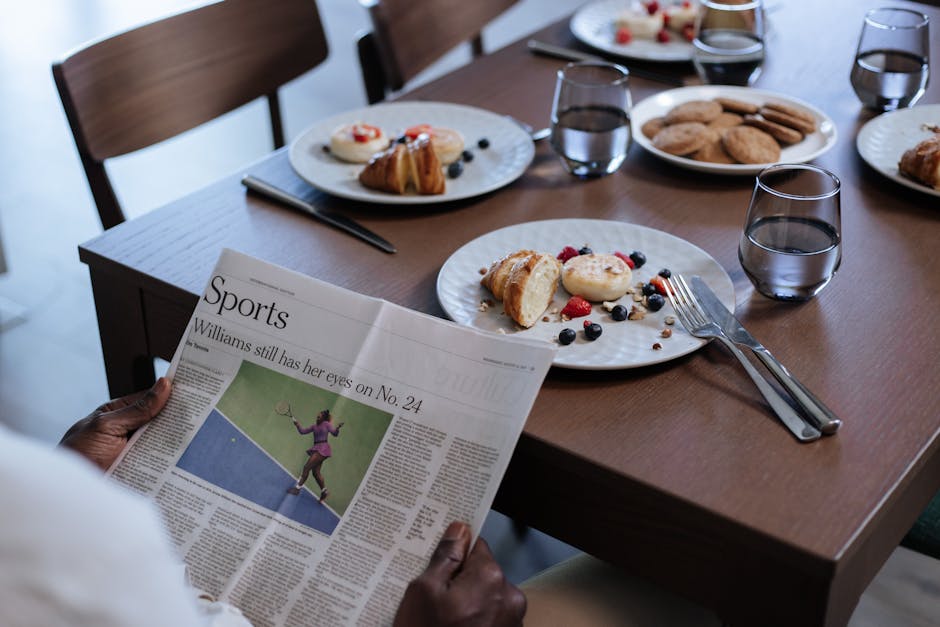
In the age of non-stop notifications and 24/7 status updates, our brains are hitting a wall. That overwhelming feeling you get when scrolling through doom-filled headlines, unfounded opinions, and viral outrage? That’s called news exhaustion—and social media is fueling it like a wildfire in the wind.
What Is News Exhaustion?
News exhaustion is a psychological state characterized by emotional fatigue or outright avoidance of news content. It’s what happens when the information treadmill becomes too fast, too negative, and too unavoidable. Rather than staying informed, people begin to disengage. They mute, unfollow, or tune out entirely—not because they don’t care, but because they care too much.
According to a Pew Research study, nearly 7 out of 10 Americans admit to feeling worn-out by the amount of news available. And plenty more say the negativity is too much to handle. The kicker? Most of that news isn’t even coming from traditional media sources anymore. It’s flowing—constantly—through our social media timelines.
How Social Media Feeds the Beast
Social media was originally built to connect people. Over time, it turned into a full-on broadcasting machine. Every friend, brand, influencer, and outfit you follow is pumping out content. Mixed in with vacation selfies and puppy pics are crisis updates, political rants, and unfounded conspiracy theories. It’s chaos, and your brain is trying to make sense of it all—while getting hit from every angle.
The Infinite Scroll Problem
The most dangerous weapon in social media’s arsenal is the infinite scroll. Platforms like Twitter/X, Facebook, and TikTok serve up an endless stream of headlines, reactions, memes, and more. There’s no stopping point. You refresh for the latest, but never actually finish catching up. That false sense of urgency keeps you hooked, even though every pass at the feed adds more mental clutter.
Algorithms Thrive on Outrage
Let’s be blunt: social media platforms are designed to keep you addicted. And nothing hooks people faster than controversy and emotion. Algorithms know that fear gets clicks, anger sparks comments, and division drives engagement. So, what do you see more of? Content that gets you fired up, stressed out, or locked in a debate.
The result is a constant undercurrent of anxiety. Even if you log on to see a funny reel or keep in touch with friends, you can’t avoid the headlines and hot takes. You end up emotionally drained—and no closer to the truth.
From Information Overload to Emotional Burnout
There’s a difference between staying informed and being bombarded. Social media doesn’t draw that line. You’re scrolling through your cousin’s engagement photos and boom—a post about wildfires, a tweet about a political scandal, or a shared video of someone going off in public. Then dozens of reactions, comments, and shares follow.
This constant input ramps up the emotional stakes. You’re not just aware of the issues—you’re feeling them. It creates a loop: exposure leads to stress, and stress puts you one step closer to shutting down emotionally. That’s how news exhaustion snowballs. It’s not just about the volume of news—it’s about the emotional toll it takes.
The Illusion of Being Informed
Here’s another trap: social media gives the illusion that you’re staying updated. A quick scroll feels like reading the news. But in reality, most social platform content is surface-level. Snappy headlines, viral clips, cherry-picked facts. And a lot of it comes from unverified sources sharing opinions rather than journalism.
That’s not news—it’s noise. And the more noise you consume, the harder it becomes to extract real meaning. You’re overstimulated but under-informed. Your brain recognizes the fatigue, but the addiction to updates keeps you scrolling. That combo is a fast track to burnout.
Who’s Affected the Most?
Pretty much anyone with a smartphone is susceptible. But younger generations—Millennials and Gen Z—are especially vulnerable. They’ve grown up immersed in social platforms and expect to get all their info online. While digital fluency is an advantage, it’s also a double-edged sword.
Younger people engage more frequently with news through these platforms, which means a higher risk of exposure and emotional burnout. Studies show that prolonged social media use is tied to anxiety, depression, and yes—news fatigue.
Why Disengaging Isn’t the Answer
Some choose to go completely offline to cope. That’s like dropping your sword because the battlefield’s too loud. The real Spartan move is to take control of the fight—not run from it. Disengaging from news entirely can backfire, especially during turbulent times when awareness matters most.
Instead of cutting yourself off, learn how to filter and balance. Information detox isn’t about ignorance—it’s about strategy. You need smarter consumption, not total isolation.
Strategies to Combat News Exhaustion
1. Set Time Limits on Apps
Use your phone’s built-in screen time tools to limit the time spent on platforms like Instagram, Twitter, and TikTok. If your day starts and ends on social media, you’re signing up for mental fatigue. Set boundaries—and reinforce them.
2. Curate Your Feed Intentionally
Unfollow accounts that trigger unnecessary stress or outrage. Follow verified journalists, credible sources, and accounts that bring balance—not just headlines. Build your feed like a team—you want solid players, not empty hype.
3. Diversify Your News Sources
Relying solely on social media for news creates an echo chamber. Make it a point to read long-form journalism, listen to podcasts, or subscribe to newsletters from reputable outlets. Take control of what you’re seeing, instead of letting an algorithm decide.
4. Practice News-Free Zones
Give your mind some breathing room. Choose parts of the day—like mealtimes or before bed—to disconnect from the news cycle. Let your mental defenses recharge. It’s okay to not be “on” all the time.
5. Recognize the Signs of Burnout
If you start feeling anxious, emotionally numb, or avoidant about current events, don’t ignore it. Those are warning signs your brain is waving. Acknowledge the fatigue and make the necessary adjustments. Real warriors don’t fight every battle—they pick the ones that matter and prepare for them.
Social Media Isn’t the Enemy—But It’s Not Your Friend, Either
Let’s be clear: social media isn’t evil. It connects people, sparks conversations, and helps break major stories fast. But it’s not your friend, and it’s definitely not your therapist. It wasn’t built with your peace of mind in mind.
It’s okay to use social platforms. Just don’t let them use you. Be intentional, be discerning, and know when to tap out. Staying informed shouldn’t come at the cost of your mental clarity or emotional well-being.
Final Thoughts
News exhaustion is real, and social media is one hell of a double-edged sword. You need to balance awareness with boundaries. Stay sharp, stay curated, and know that your attention is a currency. Spend it wisely.
You don’t need to know everything. You just need to know what matters—and have enough clarity to do something about it.