
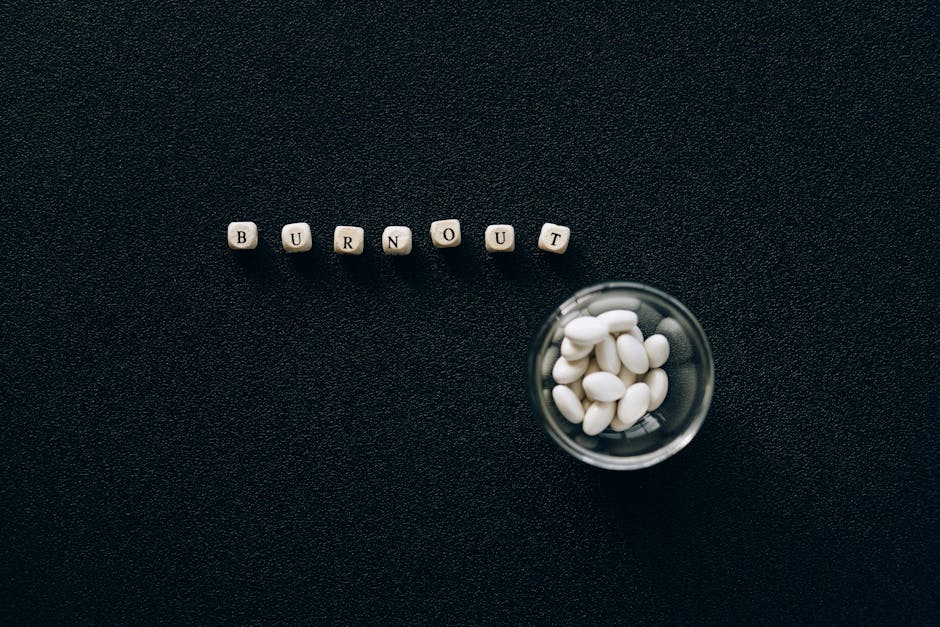
The modern news cycle is relentless. Twenty-four hours a day, seven days a week, you’re bombarded with headlines, updates, and alerts. While staying informed is good, drowning in sad stories, political brawls, and crisis after crisis isn’t. At some point, your brain taps out, your mood tanks, and your focus vanishes. Sound familiar? Welcome to the burnout stage. Here are the undeniable signs you’re burned out from the news – and what the heck to do about it.
1. You Feel Drained Just Thinking About the News
Remember when you used to eagerly read news articles, check out the latest updates, and maybe even debate over them with friends? Now, the thought of opening a news app gives you a mini existential crisis. If staying informed feels like dragging a 200-pound boulder behind you, it’s not interest that’s the issue — it’s burnout.
That mental exhaustion isn’t a lack of discipline. It’s your brain waving a white flag. Studies have shown that constant exposure to distressing news releases stress hormones, making you feel irritable or fatigued. It’s not weakness. It’s a built-in safety mechanism. Spartan minds need rest too.
2. You’re Emotionally Numb or Overwhelmed
Either you’re not reacting at all—or you’re reacting too much. One minute you’re scrolling past war coverage like it’s the weather. The next minute, a political tweet makes you inexplicably furious. That’s emotional fatigue at play. When you’ve soaked in too many intense stories, your emotional responses can flatline or go haywire. Neither is good.
Instead of clarity, every update blurs into noise. You may want to care but simply can’t process another disaster. This kind of numbness isn’t apathy. It’s burnout’s ugly cousin: compassion fatigue.
3. Doomscrolling Has Become a Habit
You tell yourself you’ll just check one thing. Two hours later, you’re buried in a rabbit hole of comment threads, shocking images, and expert opinions. Doomscrolling is when you compulsively absorb negative news without stopping. And it’s as helpful as doing push-ups with a broken arm—useless and damaging.
The addiction to checking just one more link is designed. News outlets, driven by clicks, craft stories that activate your survival instincts. When you can’t look away, that’s not discipline failing, it’s dopamine chasing. Recognizing you’re stuck in this pattern is the first push toward mental freedom.
4. You’re Cynical About Everything (Even the Good Stuff)
Got a promotion? Meh. Someone donated millions to a good cause? Probably a PR stunt. News burnout sours your worldview, replacing hope with skepticism. When everything starts to feel meaningless or futile, chances are the endless stream of grim updates has tilted your mental axis.
Yes, some things do suck — but not everything. Resilience means recognizing real threats without letting them crush your spirit. Burnout kills resilience and makes cynicism feel practical, even righteous. Spoiler: it’s not.
5. Your Focus Is Shot
Used to read articles? Now you can barely make it through headlines. Your attention span is fried, and not just from social media. When your mind is in constant reaction mode—playing defense against bad news—you can’t settle into deep thought work. Big ideas require focus, and burnout kills that faster than a spartan in a toga party.
Some studies link news overload to decreased productivity, poor memory, and decision fatigue. If you can’t remember why you opened your browser, take it as a warning, not a quirk.
6. You’ve Stopped Engaging—but Still Can’t Look Away
You don’t comment. You don’t share. You don’t care. And yet, you still check in. That, friends, is a burnout death spiral. You’re drained, frustrated, and mentally checked out—but you compulsively peek at the headlines like it’s a toxic relationship you can’t quit. Sound badass? It’s not. It’s exhaustion pretending to be engagement.
This state is dangerous because it convinces you you’re still being a responsible citizen. But just consuming content passively, without processing it or taking action, defeats the whole point of being informed.
7. You’re More Stressed After Checking the News
This one’s obvious but worth stating. The world isn’t a feel-good buffet, but if your heart rate jumps every time you scroll through headlines, that’s a red flag. News burnout often manifests physically: tight chest, headaches, irritability, or even insomnia. Pay attention to how your body reacts, not just your thoughts.
You should walk away enlightened or empowered—not chronically anxious. If you can’t remember the last time the news left you feeling even slightly optimistic, something’s off.
8. You’ve Stopped Trusting Any News Outlet
Let’s be real: media bias exists. But when you start doubting every single source as propaganda or manipulation, you’re not thinking critically anymore — you’re trapped in burnout-induced paranoia. The inability to trust anything, even fact-checked, balanced content, is a sign your information radar is fried.
Healthy skepticism is different from nihilism. One pushes you to ask better questions; the other convinces you no answer matters, so why bother? Avoid the latter. It’s a mental stalemate.
9. You’re Isolating Because You’re Too Tired to Talk About It
News fatigue doesn’t just affect your mental state—it spills over into your relationships. Debates feel like landmines. Conversations become draining. Trust us, you’re not the only one avoiding that one family member who always wants to bring up politics over dinner.
When the fear of conversation outweighs the value of connection, it’s not about disagreement anymore. It’s burnout breeding disconnection—and connection is one of the best things you’ve got going for mental resilience. Don’t let the news take that from you.
So What the Heck Should You Do About It?
Burnout isn’t a badge of honor. It’s a signal to pull back and recalibrate. You’re operating in a mental war zone, and if you want to survive with spirit intact, you need to fight differently.
1. Take a News Detox (Seriously)
Go full blackout for 48 hours. No apps, no sites, no push notifications. Panic at first? Probably. But watch how quickly your head clears. Your cortisol levels will start retreating, and soon, you’ll notice the world hasn’t fallen apart without you staring at your phone every five minutes.
2. Set Boundaries Like a Spartan General
Designate 15–30 minutes per day for news consumption. That’s it—non-negotiable. Pick one or two trusted sources. Avoid scrolling feeds with no end. Treat the news like food: get your nutrients, avoid the junk.
3. Balance the Negative with the Constructive
Bookmark a “good news” site. Follow solution-focused journalism. Not everything needs to be doom and gloom. Context matters. Progress happens. Don’t let your brain forget that.
4. Talk to Real People
Discuss ideas, not headlines. Have conversations rooted in values, experiences, and goals—less about what politicians said and more about what’s actually changing in your community. Connection heals burnout faster than solitude and despair.
5. Prioritize Mental Fitness
News isn’t the enemy. Overconsumption is. Replace some of your scroll time with practices that sharpen your mental blade: journaling, reading books, meditation, or even a brutal Spartan-style workout.
Final Word: Your Mind Is the Weapon—Protect It
Look, you’re not weak if you’re burned out. You’re human. But like a Spartan before battle, you need focus, clarity, and emotional power. That means knowing when to draw your sword—and when to sheath it.
The world’s not going to slow down. But you can change how you engage with it. Lead with discipline, protect your peace, and remember — informed doesn’t mean overwhelmed.
So shut down the noise, regroup, and get back in the fight tomorrow. Your brain—and your sanity—will thank you.